 NestGuard Analytics
Why your photos matter
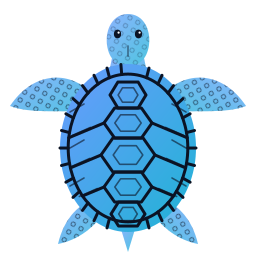
The back of a sea turtle is covered in plates called scutes: five down the middle, a row down each side, and a ring around the edge. Most hatchlings follow the usual pattern. Some have extra, split or missing plates.
Some studies link warm nests to unusual patterns, and warm, dry or stormy conditions can change how many eggs hatch. Other studies point to family traits, and nobody has settled it. The only way to learn more is many photos, from many beaches and many days, in all kinds of weather. That is where you come in.
How it works
- Take the photoLook straight down at the turtle's back. Keep the whole shell in the picture, in good light and in focus.
- Upload it with a few notesAdd the nest or beach and anything you noticed. Your phone's location is saved only if you agree.
- We scan it and look up the weatherThe scan counts the plates and tells you at once if the photo needs retaking. The weather for that place and time is added by itself: wet or dry, wind, heat and ground temperature.
- Together we find the patternsResearchers compare hundreds of photos to see how weather and nest conditions relate to how hatchlings develop. A person always checks the results before anything is reported.
Who it is for
Everyone who helps: volunteers, coworkers and staff on the beaches. You do not need a science background. If you can take a clear photo, you can contribute. Team leaders can see the whole team's results, the map and the nest reports, and file field reports from the nests.
Care for the turtles first
- No flash, no white light and no phone torch near nesting turtles or hatchlings at night.
- Do not touch, carry or chase turtles or hatchlings unless you are permitted staff for this work. Photograph from a distance.
- Leave tracks and marked nests alone. Do not dig or push stakes into the sand, and keep dogs away.
- If you find an injured or stranded turtle, call your local rescue hotline and do not handle it.
What happens to your photos and data
- They are used only for this research.
- Where a photo was taken is saved only if you tick the box, and nest locations are visible only to the research team.
- The weather lookup uses an area of about one kilometre, not the exact spot.
- The automatic scan is an estimate. It is checked by people and is never reported on its own.
Thank you for helping
Small observations from many people add up to real science.
Log in